
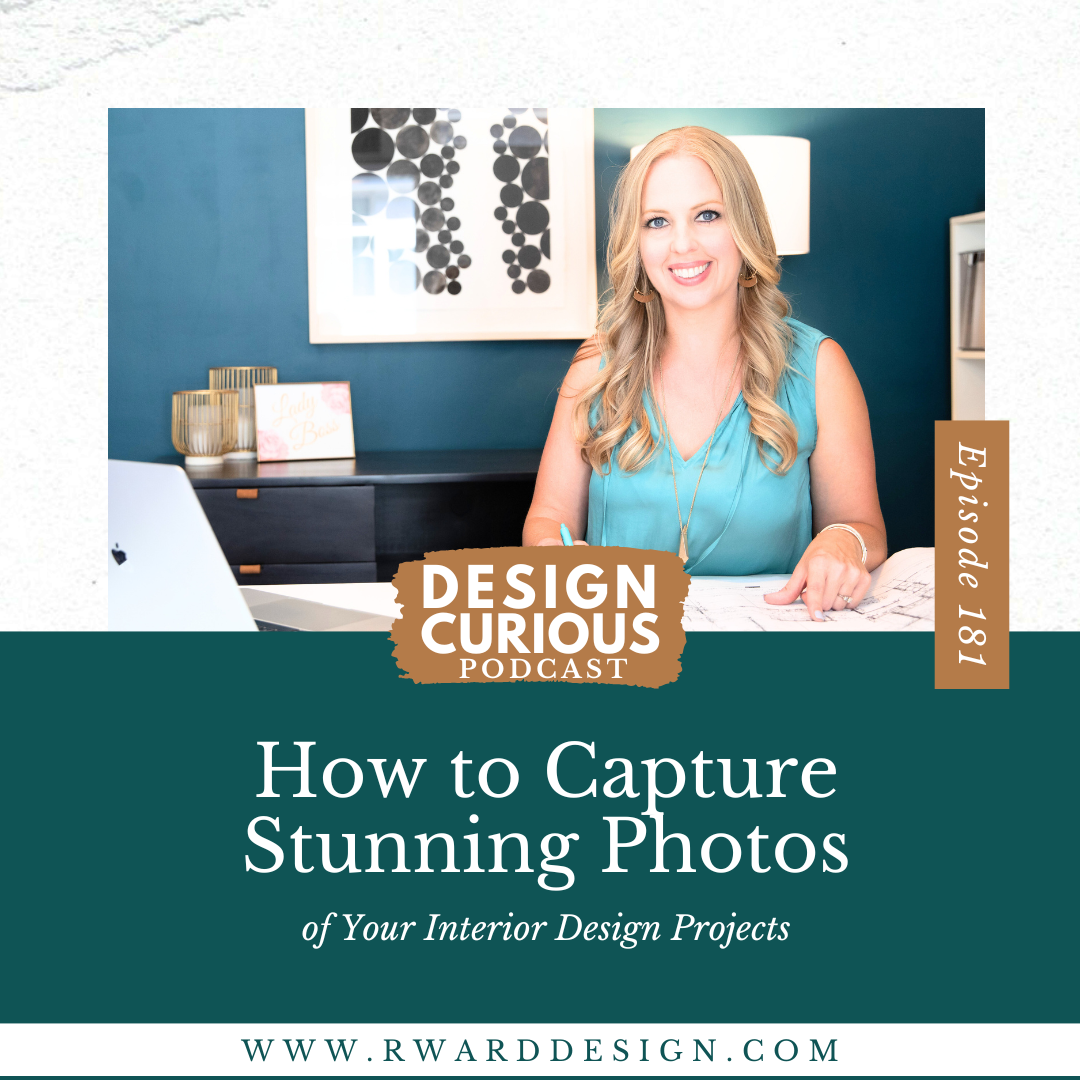
Have you ever finished a beautiful project… only to realize you have nothing to show for it?
I’ve seen so many talented interior designers pour their heart, time, and creativity into a space — only to walk away without the one thing that helps them book their next client: professional portfolio photos. Without strong website images or scroll-stopping social media visuals, it becomes harder to build trust, showcase your design expertise, and grow your business.
In this episode, I’m walking you through how to consistently get portfolio-worthy photos of your interior design projects — even if you’re new, working with real-life clients, or unsure how to approach photography contracts, styling, or working with an editorial photographer. Because when you have high-quality interior photography, everything changes — your portfolio strengthens, your brand elevates, and your work finally gets the visibility it deserves.
What You’ll Learn in This Episode
Secure client permission through photography contracts
Choose editorial over real estate photographers
Style spaces for magazine-quality photos
Capture storytelling photo composition
Plan photography into project expenses
Interior Design Photography Tips for Stunning Portfolio Photos
Creating portfolio photos doesn’t happen by accident — it requires planning, communication, and intentional execution.
Below are some of the most effective ways I’ve learned to consistently capture strong portfolio photography that supports my website, social media, and publication opportunities.
1| Get Client Permission from Day One
One of the simplest but most powerful photography tips is this: secure client permission at the start of your project.
In my own process, I go through my contract line-by-line during the initial consultation. This includes a clause that confirms I may photograph the project upon completion. I always reassure clients that no personal information or home location will be shared.
This early conversation removes future friction and allows you to confidently plan for portfolio photos, before and after photos, and website images. Occasionally, a client may require privacy, especially in high-profile situations, but most clients are happy to support you when expectations are clear from the beginning.
2| Schedule Your Photography Early
Another key step is treating photography as part of the project timeline, not an afterthought.
As installation day approaches, I always reach out to my editorial photographer to book the shoot. Many are scheduled months in advance, so planning ensures you capture the space while it still reflects your original design vision.
The longer you wait, the more a space changes. Toys appear. Personal items move in. Natural wear begins. If you want clean, cohesive portfolio photos that truly represent your work, schedule photography as close to completion as possible.
3| Choose an Editorial Photographer (Not Real Estate)
This is a big one.
Real estate photographers focus on wide, bright shots that make spaces look large. But interior designers need storytelling images — photos that capture mood, composition, and detail.
An editorial photographer creates images that feel like they belong in a magazine. They use natural light, layered exposures, and thoughtful framing to highlight design elements rather than just square footage.
When reviewing photographers, look for:
- Magazine-style storytelling
- Emotional depth in images
- Balanced natural light
- Strong composition
I personally like working with the same photographer consistently — it creates a cohesive look across my portfolio and strengthens my brand identity.
4| Style for the Camera, Not Real Life
Professional styling can make or break your photos.
The way a home lives day-to-day is very different from how it should look on camera. When preparing for a shoot, I often remove personal items, such as family photos or artwork, that don’t align with the overall design vision.
Instead, I bring in:
- Florals
- Sculptural objects
- Books
- Throws
- Candles
- Artwork
Less is usually more. Clean surfaces allow your design to shine and prevent visual clutter from distracting viewers.
Sometimes clients love the final styled look so much that they purchase the accessories afterward — turning photography prep into an additional revenue opportunity.
5| Capture Layered, Professional Images
Professional photography stands apart from smartphone photos for one key reason: layering.
Editorial photographers often take multiple exposures to balance shadows, natural light, and interior details. They may also refine images in post-production by removing visual distractions like outlets or ceiling lights.
These subtle edits elevate your portfolio photos and help your work feel polished and intentional.
To maximize usability, I always request:
- Horizontal shots for website images
- Vertical shots for social media
- Detail vignettes for storytelling
- Walkthrough-style images
- Before and after photos
These variations allow your work to be used across marketing platforms — from your website to Pinterest to award submissions.
6| Organize and Protect Your Images
Once you receive your final photography, store them in both:
- High-resolution print format
- Web-friendly digital format
This ensures flexibility for publications, marketing, and social media use.
It’s also important to remember that photographers typically retain image rights. If you plan to submit work for publication or competitions, you’ll need their permission — maintaining this relationship is essential to your business.
7| Budget Photography Into Project Expenses
Photography isn’t optional — it’s an investment in your growth.
I always treat photography as part of my overhead and include it in project expenses. Yes, it requires time and financial commitment, but the return is significant.
A strong visual portfolio helps:
- Attract ideal clients
- Elevate your brand
- Strengthen marketing
- Build credibility
Without it, even the most beautiful work may go unseen.
Final Thoughts
Professional photography is what allows your design work to live beyond the project itself. When you plan for client permission, work with an editorial photographer, invest in styling, and capture thoughtful compositions using natural light, you create portfolio photos that serve your business for years to come.
Even if you’re just starting, consider photographing your own styled space — because strong visuals will always communicate your expertise faster than words alone.
Your Next Steps
If you’re ready to build a design business that feels intentional, strategic, and aligned — I’d love to support you inside My Design Mentor.
Inside, I guide designers through real-world steps like contracts, project processes, portfolio building, and business growth so you can move forward with clarity and confidence.
👉 Join My Design Mentor and start building the creative career you truly want.
Check Out Our Spotify Playlist!
Resources & Freebies
- Your Roadmap to a Career in Interior Design
- Furnishings Investment Guide
- Remodel Budget and Timeline Guide
- 3 Things I Wish I had known when I Started my Career
- The best books every interior designer should have
Take a Quiz!
- Find Your Perfect Interior Design Style if you are curious about your design style
- Find Out What Type of Interior Designer You Should Be!
Let’s Connect!
- Email me at [email protected] if you have suggested topics
- DM me on Instagram at @rwarddesign if you have a burning question
Subscribe & Review!
If you love this episode, don’t forget to hit subscribe and leave me a rating & review! Click here.