
Have you ever designed a space that looked beautiful… but somehow didn’t feel right to live in?
As interior designers, we’re trained to focus on the visible—colors, materials, layouts, and architectural elements. But what if the real purpose of design goes deeper than aesthetics? What if the home isn’t the final product—but the medium that shapes human happiness, relationship quality, and overall well-being?
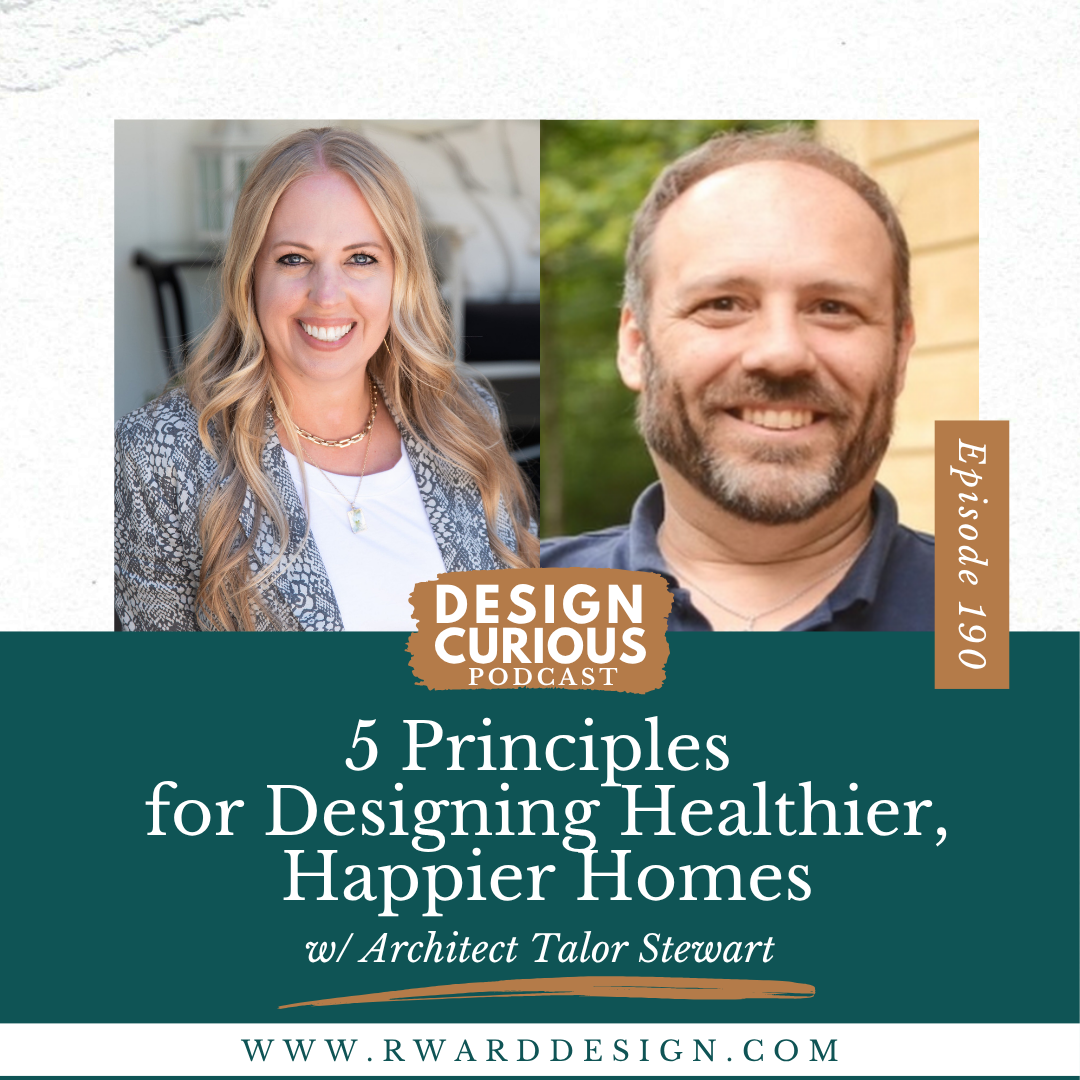
In this episode, I sit down with architect Talor Stewart to explore the powerful concept of conscious home design—a framework that goes beyond surface-level beauty and taps into scientific principles, human needs, and the emotional experience of living in a space. If you want to create homes that truly transform your clients’ lives (and elevate your design process), this conversation will change how you approach every project moving forward.
What You’ll Learn in This Episode
Why homes are a medium, not an end result
How design impacts human happiness and relationships
Three relationship types every home should support
Using Maslow’s hierarchy in design decisions
Scientific principles that improve home environments
5 Principles for Healthier, Happier Home Design
When we talk about conscious home design, we’re really talking about designing with intention—grounded in human needs, scientific understanding, and meaningful experiences. This isn’t just a design philosophy; it’s a framework that helps you create homes that support human happiness, personal growth, and deeper relationships.
Let me walk you through powerful principles you can start applying right away.
1. Design for Human Experience, Not Just Aesthetics
One of the biggest mindset shifts you can make as a designer is this: the home is not the end result—the experience is.
As Talor said:
“The spaces that we design are not about space… they’re about people.”
This is where many designers get stuck. We focus on creating something visually stunning, but forget to ask: How does this space support the life my client wants to live?
When you begin your design process, shift your focus from what it looks like to what it enables. Does the layout encourage connection? Does it reduce stress? Does it support daily routines?
When you design for human experience, your work becomes more meaningful—and your client satisfaction increases dramatically.
2. Build Homes Around Relationship Categories
The Harvard study on adult happiness revealed something powerful:
The number one predictor of happiness and longevity is relationship quality.
So how do we design for that?
Talor breaks relationships into three categories:
- Giving relationships (mentoring, parenting, caring for others)
- Receiving relationships (learning, being supported, inspired)
- Reciprocal relationships (friendships, partnerships, shared experiences)
Each of these requires different types of space.
“Is it possible to create intentionally… opportunities for all three kinds of relationship in the home?”
As designers, we can translate this into spatial decisions:
- Spaces for teaching, nurturing, or caregiving
- Quiet areas for reflection, learning, or personal growth
- Social zones that encourage connection and conversation
When your design supports all three, you’re not just creating a home—you’re shaping a relationship ecosystem.
3. Apply Scientific First Principles to Design Decisions
One of the most overlooked aspects of design is the basic science of human survival and well-being.
Talor shares a simple but powerful framework:
- Humans can survive 7 weeks without food
- 7 days without water
- 7 minutes without air
Yet many homes don’t prioritize air quality or water quality.
This is where conscious home design stands apart. It integrates scientific first principles into the design process—ensuring that the environment supports physical health as a foundation for happiness.
Before you select finishes or furnishings, ask:
- Is the air clean and well-circulated?
- Is the water safe and accessible?
- Does the home support physical well-being?
Because without these basics, no amount of beauty can compensate.
4. Design Beyond Survival Using Maslow’s Hierarchy
Most homes are still designed the same way they were 100 years ago:
- Kitchen
- Bathroom
- Bedroom
- Living space
These support survival—but not necessarily thriving.
That’s where Maslow’s hierarchy of needs becomes essential.
“You can give us food and shelter… but that’s not enough to make us happy.”
Humans also need:
- Love and belonging
- Creative expression
- Personal growth
So ask your clients:
- Where do you go to be creative?
- How do you grow as a person?
- What activities bring you joy?
When you design spaces for these needs, you transform the home into a tool for personal development—not just a place to live.
5. Ask Better Questions to Elevate Your Design Process
The quality of your design is directly tied to the quality of your questions.
“The quality of your outcomes depends on the quality of your initial questions.”
Most clients come in with a basic wishlist. But they don’t always know what’s possible—or what’s missing.
This is where you step in as a guide.
By asking deeper questions about:
- Values
- Lifestyle
- Relationships
- Personal growth
…you create what Taylor calls an “ultimate wishlist”—one that goes beyond surface-level preferences.
This does two powerful things:
- Builds trust and client buy-in
- Speeds up decision-making with clarity
And ultimately, it leads to better outcomes—for both you and your client.
Final Thoughts
Conscious home design challenges us to think beyond trends and aesthetics—and step into our role as designers who shape lives. When you integrate relationship quality, scientific principles, and human needs into your process, your work becomes more than beautiful—it becomes transformative. And that’s where true fulfillment (for both you and your clients) begins.
Meet Talor Stewart
Talor Stewart is a licensed architect with over 25 years of experience, specializing in residential architecture and intentional communities. He is the author of Conscious Home Design, a #1 bestselling book in seven countries, and the creator of the Conscious Home Design certification program. His work bridges the gap between design and human well-being, helping architects and designers create homes that support happiness, health, and personal growth.
Connect With Talor Stewart
Website: Conscious Home Design
Book: Conscious Home Design
Your Next Steps
If you’re ready to take this deeper and learn how to apply these principles in your own projects, I invite you to join My Design Mentor.
Inside, I’ll help you refine your design process, attract aligned clients, and confidently create spaces that truly serve people—not just impress them.
Sign up now and start designing with intention.

Check Out Our Spotify Playlist!

Resources & Freebies
- Free webinar, “From Passion to Profit,” and learn the 5 Money Moves to start your interior design business right
- Your Roadmap to a Career in Interior Design
- Furnishings Investment Guide
- Remodel Budget and Timeline Guide
- 3 Things I Wish I had known when I Started my Career
- The best books every interior designer should have
Take a Quiz!
- Find Your Perfect Interior Design Style if you are curious about your design style
- Find Out What Type of Interior Designer You Should Be!
Let’s Connect!
- Email me at [email protected] if you have suggested topics
- DM me on Instagram at @rwarddesign if you have a burning question
Subscribe & Review!
If you love this episode, don’t forget to hit subscribe and leave me a rating & review! Click here.